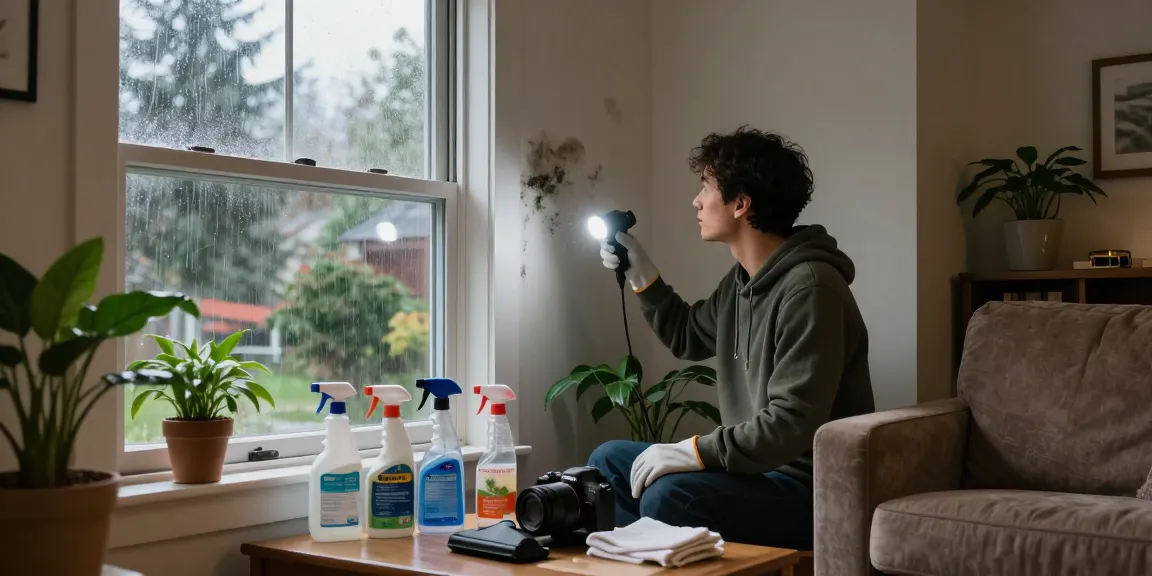
Understanding Mold Remediation North Vancouver
Mold is more than just an aesthetic issue; it can pose serious health risks and structural damage to homes, especially in moist climates like North Vancouver. As homeowners, understanding Mold Remediation North Vancouver is crucial to maintaining a safe living environment. This article delves into the process of mold remediation, the importance of professional services, common types of mold found in homes, and the health risks associated with mold exposure.
What is Mold Remediation?
Mold remediation is a comprehensive process aimed at identifying, cleaning, and preventing mold growth within indoor environments. It involves the removal of existing mold, addressing the underlying causes, and employing preventive measures to reduce the likelihood of future mold infestations. Professional mold remediation services ensure that homes are restored to a safe and healthy state following mold exposure.
Importance of Professional Mold Remediation
Attempting to remove mold on your own can often lead to incomplete removal, which may exacerbate the issue. Professional mold remediation experts have the necessary tools, training, and knowledge to properly assess and address mold problems. They utilize specialized equipment such as HEPA vacuums and air scrubbers to eliminate mold spores and prevent their spread during the cleanup process.
Common Mold Types Found in North Vancouver Homes
- Aspergillus: A common indoor mold that can cause respiratory issues.
- Cladosporium: Often found on organic materials, it can trigger allergies.
- Stachybotrys (Black Mold): Known for its toxic properties, it requires immediate professional intervention.
- Penicillium: Typically found in water-damaged buildings, it can cause health problems.
The Mold Remediation Process Explained
The mold remediation process is essential to ensure that all mold is effectively removed and that the environment is safe for residents. This process can be broken down into several key steps.
Initial Inspection and Assessment of Mold
The first step in mold remediation is a thorough inspection. Professionals assess the extent of the mold infestation and identify the moisture sources contributing to the problem. This inspection often includes moisture readings and air quality assessments to determine the necessary course of action.
Containment and Safety Measures During Remediation
To prevent the spread of mold spores to uncontaminated areas during cleanup, containment measures are implemented. This may involve sealing off affected areas with plastic sheeting and using negative air pressure systems to ensure that spores do not disperse throughout the home.
Post-Remediation Cleaning and Preventative Strategies
Once the mold is removed, the final step involves thorough cleaning of the affected areas. This includes sanitizing surfaces and employing antifungal treatments. Additionally, preventative strategies are established to address humidity levels and water leaks to minimize the risk of future mold growth.
Cost Factors in Mold Remediation North Vancouver
The cost of mold remediation can vary significantly based on several factors. Understanding these factors can help homeowners budget accordingly.
Understanding Pricing Variations for Services
The total cost of mold remediation services in North Vancouver can depend on the extent of the mold infestation, the materials involved, and the area of the home affected. Minor mold issues may cost significantly less to remediate than extensive infestations. On average, costs can range from a few hundred to several thousand dollars.
Insurance Coverage for Mold Remediation
Many homeowners' insurance policies cover mold remediation, but coverage can vary greatly. It's essential for homeowners to review their policies and speak with their insurance agents to understand what mold-related expenses are covered and what documentation may be needed for claims.
Budgeting for Preventative Maintenance
Investing in regular inspections and preventative maintenance can save homeowners money in the long run. Routine checks can catch moisture problems before they lead to mold growth, potentially avoiding costly remediation fees.
Health Risks and Signs of Mold Growth
Mold is a serious health concern, affecting both the physical environment and the well-being of individuals living within it.
Health Problems Associated with Mold Exposure
Exposure to mold can lead to various health problems, including respiratory issues, allergic reactions, and weakened immune systems. In severe cases, certain molds can produce mycotoxins that pose even greater health risks. Vulnerable populations, such as children, the elderly, and those with pre-existing health conditions, are particularly at risk.
Identifying Mold Growth in Residential Areas
Recognizing early signs of mold growth is crucial for timely remediation. Homeowners should look for odd odor, visible mold spots, discoloration on walls or ceilings, and moisture or dampness in various areas of the home, such as bathrooms and basements.
When to Seek Professional Help for Mold
Homeowners should seek professional help immediately if they notice any significant signs of mold growth or suspect hidden mold behind walls and in ventilation systems. Early intervention can prevent health complications and extensive property damage.
Future Trends in Mold Remediation North Vancouver
The mold remediation industry continues to evolve, incorporating innovative techniques and strategies to combat mold effectively in homes and businesses.
Innovative Techniques and Technologies in Remediation
Advancements in technology have introduced more efficient mold remediation methods, such as infrared cameras for detecting moisture and advanced air filtration systems that can capture finer particles. These innovations enhance the effectiveness of mold remediation efforts and can reduce costs associated with prolonged remediation.
Impact of Climate Change on Mold Growth
Climate change is expected to influence mold growth patterns significantly. Increased humidity and temperature fluctuations may lead to more frequent mold occurrences in homes, highlighting the importance of proactive moisture control measures.
Importance of Regular Inspections and Maintenance in 2026
As mold becomes an increasingly common concern, regular inspections will be essential in preventing infestations. Homeowners should prioritize routine maintenance and inspection services to identify vulnerabilities and mitigate risks associated with mold before they escalate.
What is the typical duration for mold remediation?
The duration of mold remediation can vary widely depending on the extent of the infestation. Minor mold issues may be resolved within a day, while more severe cases can take several days or longer to address comprehensively.
Can I stay in my home during mold remediation?
It is generally recommended to vacate the premises during mold remediation, especially in cases of extensive mold growth. Professionals will advise on whether it is safe to remain or if temporary relocation is necessary.
How can I prevent mold growth in the future?
Preventative strategies, such as maintaining low indoor humidity levels, ensuring proper ventilation, and promptly addressing leaks or water damage, are essential in preventing future mold growth.
What are the health implications of mold exposure?
The health implications of mold exposure can range from minor allergic reactions to serious respiratory issues and infections, especially in individuals with compromised immune systems. Understanding the risks associated with mold is crucial for maintaining a healthy living environment.
Do I need a professional for minor mold issues?
While minor mold issues can sometimes be handled by homeowners, it is advisable to consult with a professional for a thorough assessment of the situation. This ensures that potential underlying problems are identified and properly addressed.